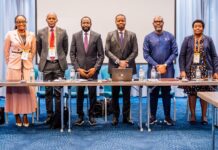
The President of the Nigeria Internet Registration Association (NIRA), Adesola Akinsanya, has called for a renewed commitment to Nigeria’s digital identity through the widespread adoption of the .ng domain.
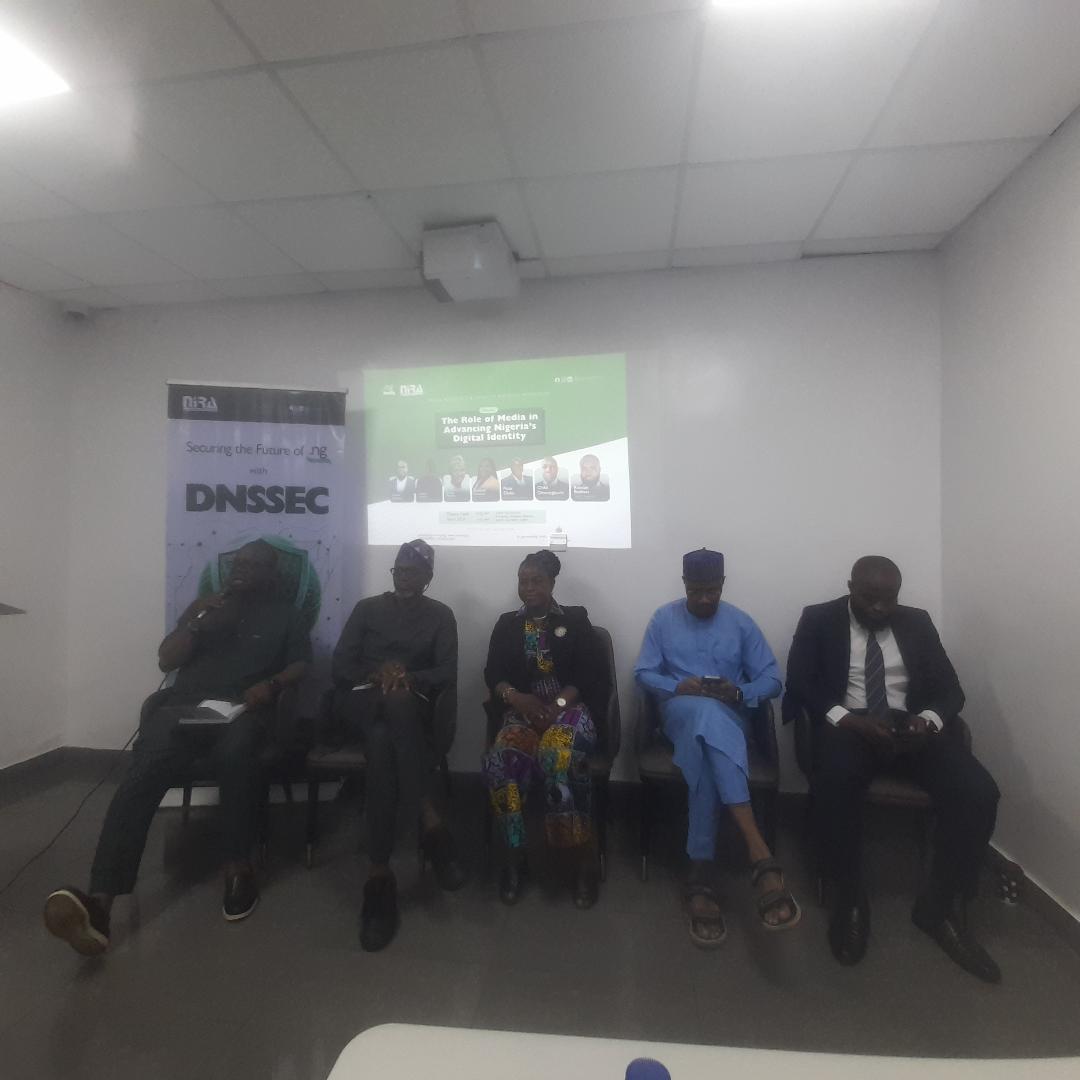
Speaking at the .ng Media Advocacy and Capacity Building Initiative held on April 16, 2026, at the NIRA Secretariat, Akinsanya challenged media professionals to move beyond passive reporting and actively shape the narrative around Nigeria’s digital sovereignty.
He highlighted a critical imbalance in the nation’s digital ecosystem: despite Nigeria’s growing influence in the global digital space, many businesses still operate on foreign-owned domains such as .com and .org—effectively building their digital presence on external infrastructure.
“Imagine constructing the headquarters of a Nigerian media house on land located in Virginia or California,” Akinsanya said. “You pay rent to a foreign landlord, and if access is withdrawn, your entire structure—no matter how solid—can disappear.”
He stressed that domain name choices are no longer merely technical decisions, but strategic ones that affect national identity, economic value, and security.
Akinsanya identified three major risks associated with reliance on foreign domains:
Trust Deficit: Locally rooted domains like .ng enhance credibility and signal authenticity to users.
Economic Leakage: Revenue generated within Nigeria’s digital space is lost when foreign platforms dominate.
Security Vulnerabilities: Dependence on external infrastructure exposes users to jurisdictional and operational risks.
To address these challenges, NIRA is promoting a coordinated national approach that integrates infrastructure development, public awareness, and strategic communication.
He emphasized that technological solutions alone—such as DNS Security Extensions—are insufficient without a corresponding shift in mindset.
“The story of Nigeria’s internet is still being written,” Akinsanya concluded. “Whether it reflects dependence or digital sovereignty will depend on the narratives we choose to promote.”
He urged the media to take the lead in driving this narrative, noting that every report, headline, and analysis contributes to shaping Nigeria’s image in the global digital landscape.