


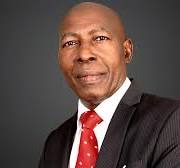
A new call for greater African participation in global artificial intelligence governance is urging world leaders, technology companies and international institutions to ensure that Africa has a meaningful seat at the table as decisions about AI’s future are being made.
The campaign, led by Oracle Chris Uwaje, argues that Africa cannot be treated merely as a consumer of technologies developed elsewhere while remaining absent from the institutions and discussions shaping the rules, standards and systems that will govern artificial intelligence.
The call comes amid growing global debate over AI governance, regulation, data ownership and the distribution of the technology’s economic and social benefits.
Under the banner “Africa is not waiting for the future. Africa IS the future,” the campaign says the continent must be included in the global AI conversation not as an afterthought, but as a participant in defining humanity’s technological future.
“AI cannot be defined nor regulated without Africa.”
The campaign points to Africa’s demographic scale, cultural diversity, languages, natural resources and growing technology ecosystem as reasons for stronger representation in international AI decision-making.
It also argues that discussions about the future of humanity should include the continent where humanity originated.
Five demands for global AI inclusion
The campaign sets out five principal demands.
1. A seat, not a mention
It calls for permanent African representation on global AI governance bodies and within relevant United Nations processes, arguing that African participation should extend beyond symbolic invitations and consultations.
2. Data sovereignty
The campaign maintains that African languages, cultural knowledge, agricultural information and other forms of locally generated data should not become freely extracted resources.
It calls instead for arrangements based on “pay, partner and build locally,” with greater investment in African data infrastructure, research and technological capacity.
3. A Rural AI Intelligence Fund
The campaign proposes directing 10% of AI investment toward rural African youth, digital skills development, education, research and the digitisation of cooperatives.
The proposal reflects concerns that the benefits of AI could become concentrated in major cities and technology hubs while rural communities and agricultural economies remain underserved.
4. End “algorithmic colonialism”
The campaign calls for African technology professionals, researchers, entrepreneurs and builders to participate directly in the development of AI standards, safeguards and self-regulatory frameworks.
It argues that systems designed without local knowledge risk reproducing existing inequalities and failing to reflect African realities.
5. Redefine the meaning of balance
The campaign proposes a broader understanding of balance in AI governance—one that considers not only governments and corporations, but also the relationship between the Global North and Global South, technology boardrooms and rural communities, and digital infrastructure and Africa’s agricultural economies.