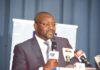

Siedel, NITEL’s Alternate CEO
One chief executive officer whose company featured recurrently in the affairs of NITEL was Eduard Siedel, the Managing Director of Siemens Nigeria. From 1986 to 2000, Siedel ran Siemens with remarkable influence, earning easy access to the corridors of power — at NITEL, the Ministry of Communications, and even the Presidency.
Siedel worked, dined, and sealed telecommunications deals with six Nigerian Heads of State: General Muhammadu Buhari, General Ibrahim Babangida, Chief Ernest Shonekan, General Sani Abacha, General Abdulsalami Abubakar, and General Olusegun Obasanjo.
He cultivated both official and private relationships with more than ten Ministers of Communications, to the extent that he reportedly enjoyed unrestricted access — even to the private quarters — of some of them.
Among those he had close ties with were Colonel Tanko Ayuba (Minister, 1985–1987), Colonel David Mark (1988–1990), Chief Olawale Ige (1990–1993), Chief Dapo Sarumi (September–November 1993), Alhaji Abubakar Rimi (1993–February 1995), Major General Tajudeen Olanrewaju (1995–1998), Major General Patrick Aziza (1998), Air Vice Marshal Canice Umenwaliri (1998–May 1999), and Alhaji Mohammed Arzika (May 1999–2001).
Siedel’s rise to such prominence stemmed largely from Siemens’ reputation for effective contract execution. While many contractors handling NITEL projects faltered due to poor financing arrangements or delays in completion, Siemens consistently delivered — a factor that endeared the company to government officials and cemented its privileged position.
Those familiar with the Ministry and NITEL during that era attest that everyone knew when Siedel was around. Zestful and focused, he approached his objectives with the precision of a German machine. His passion for work, coupled with his warm personality, won him admiration across board. He was known to show personal concern for NITEL and Ministry staff, often offering unsolicited help in times of need.
His influence within the Communications Ministry was extraordinary. Each time he appeared at the Ministry’s headquarters — first in Obalende and later in Abuja — he enjoyed free and unfettered access. Regardless of who occupied the ministerial office, Siedel could enter freely and, in some instances, determine who gained audience with the Minister.
Siedel’s Alleged Corrupting Influence on NITEL
Opinions remain divided on the true nature of Siedel’s influence. Some insist that he corrupted the system and compromised public officials; others argue that he merely had a generous spirit and rewarded loyalty and goodwill.
A telling illustration came from a NITEL official who once recounted an encounter at the airport. The officer met Siedel, who was rushing to catch a flight to Abuja for an appointment at the Presidency. The flight was fully booked, but the NITEL officer offered his seat to Siedel. The German made his meeting as planned. Upon returning, Siedel went to the NITEL office in Abuja to find the official and, in appreciation, gifted him DM 5,000.
There were widespread claims that Siemens, under Siedel, built houses and bought luxury cars for certain Ministers, NITEL Chief Executives, and key government officials during the company’s heyday. Though many of these allegations were never substantiated, neither were they conclusively disproved.
In 2008, Siedel’s name resurfaced in a corruption scandal that rocked Siemens globally. A Munich court found Siemens AG guilty of paying millions of euros in bribes to government officials in Nigeria, Russia, and Libya to secure telecommunications contracts. Among those allegedly bribed in Nigeria were four former Ministers of Communications — Cornelius Adebayo, the late Haruna Elewi (Minister of State during President Obasanjo’s first term), Tajudeen Olanrewaju, and Bello Mohammed — as well as other senior officials, an immigration officer, and Senator Jubril Aminu, former Minister of Education and then Chairman of the Senate Committee on Foreign Affairs.
They were alleged to have received bribes totaling about €10 million from Siemens. However, some of the names on the list raised eyebrows because the individuals were no longer in office at the time the alleged payments were made. For instance, David Oyegun was said to have received payments in 2004, long after leaving office. Likewise, Aliyu Datti, a former NITEL Company Secretary who left in 1996, was alleged to have received €15,000 in 2004. Olanrewaju was also said to have received money in August 2002, though he was no longer Minister then.
Siemens AG had reportedly embarked on an internal self-cleansing exercise that led to these revelations, in an effort to restore its corporate integrity.
Despite the inconsistencies in the dates and claims, insiders in NITEL, Siemens, and the Ministry of Communications maintain that monetary gifts to influence contract awards — or as post-service “thank you” gestures — did occur. They also assert that such practices were not peculiar to Siemens or the telecommunications sector; rather, they reflected a widespread culture of inducement and patronage across many government institutions in Nigeria.
Excerpt from Nitel story continues